TIPS & RESOURCES
Articles, Guides and Resources for Photojournalists
Through the Lens, Inside the Storm: How Photojournalists Navigate ADHD
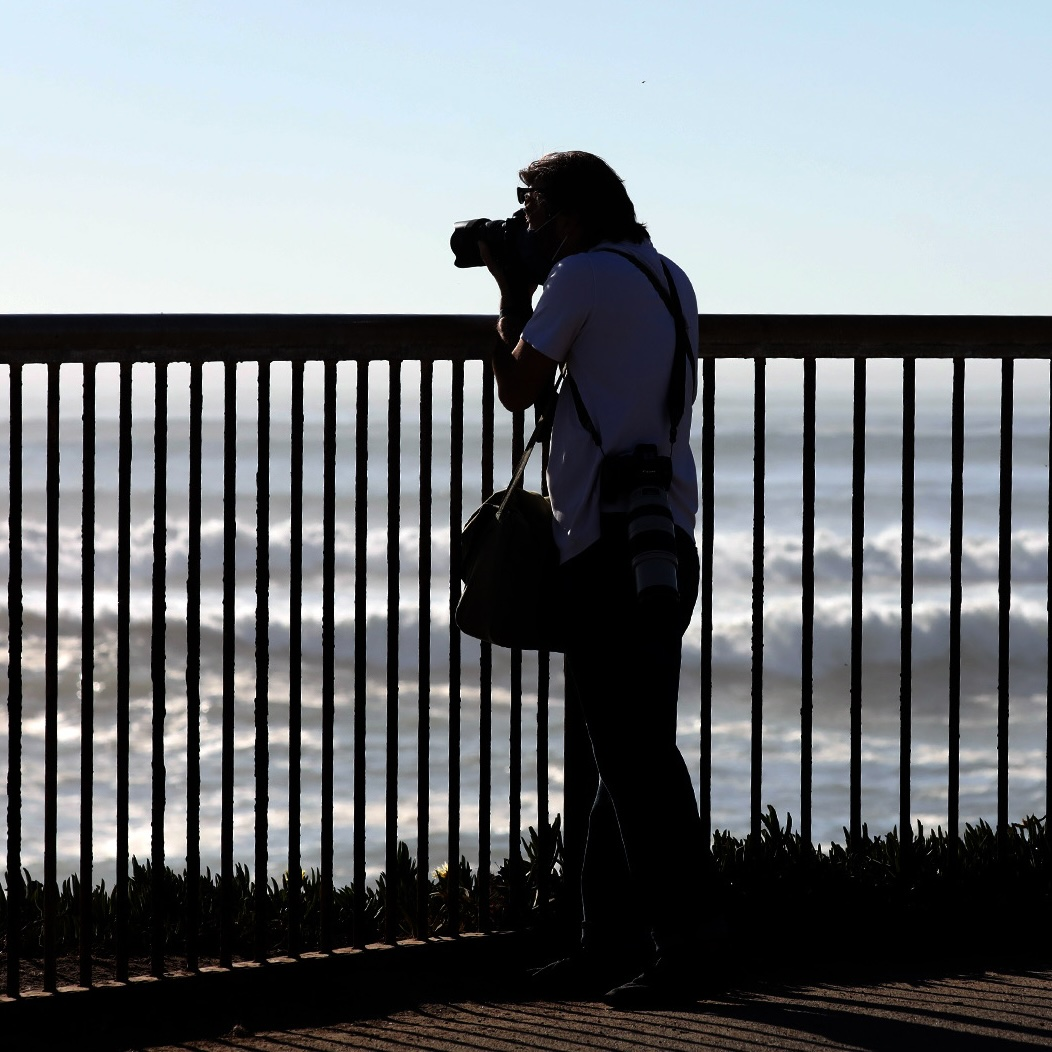 There’s a particular kind of person who thrives in conflict zones, natural disasters, and the electric chaos of breaking news — someone drawn to the edge of things, someone whose nervous system practically hums in the presence of urgency. It turns out that description fits a surprising number of photojournalists. It also, many of them will tell you, fits someone living with ADHD.
Attention Deficit Hyperactivity Disorder is often framed as a liability — a disorder defined by what it takes away. But in a profession built on instinct, sensation, and the ability to operate in high-stakes environments without freezing up, ADHD can look a lot like a superpower. And yet, for every moment of brilliance it enables, it quietly extracts a toll that rarely makes it into the frame.
The Gift Nobody Talks About
Ask any photojournalist with ADHD about their best days in the field and they’ll describe something close to a trance. When a protest breaks into chaos, or a wildfire crests a ridge, or a politician’s expression shifts in a historically significant way, everything else disappears. The noise in their head — the relentless, overlapping thoughts that made the morning impossible — goes silent. There is only the shot.
This state, known in psychology as hyperfocus, is one of ADHD’s least-discussed features. Far from being unable to concentrate, people with ADHD can lock onto stimulating, high-stakes tasks with an intensity that borders on obsessive. For photojournalists, the field is essentially a hyperfocus delivery mechanism. Every assignment arrives preloaded with unpredictability, human drama, and sensory richness. It’s the exact opposite of sitting at a desk.
“I’ve never felt broken when I’m working,” said one conflict photographer who asked to remain anonymous. “The ADHD stuff just doesn’t show up the same way when you’re chasing a story. It shows up later, when you have to sit down and edit 3,000 images.”
When the Camera Goes Down
The field may accommodate the ADHD brain, but the rest of the job decidedly does not. Photojournalism — like most creative professions — involves enormous amounts of administrative labor that never gets photographed: filing paperwork, meeting deadlines, managing archives, writing captions, pitching editors, organizing contacts, keeping track of equipment, responding to emails, handling invoices. For someone whose brain resists routine and repetitive cognitive tasks, this is where ADHD quietly dismantles careers.
Many photojournalists describe a pattern: electric productivity in the field, followed by a kind of paralysis when they return home. The same neurological wiring that makes them exceptional in front of a crisis makes them struggle to sit down and caption a hundred photographs in sequence. Tasks pile up. Editors get frustrated. The photographer feels shame rather than understanding.
This isn’t laziness, and it isn’t a character flaw. It’s the predictable result of a brain that requires novelty and urgency to function at its best — and editing captions offers neither.
The Freelance Trap
The structure — or lack of it — of freelance photojournalism adds another layer of difficulty. Most photojournalists work independently, setting their own schedules, managing their own finances, and deciding when and how to work. For neurotypical people, this freedom is appealing. For people with ADHD, it can be destabilizing.
Without external deadlines and accountability, self-regulation becomes the whole job. And self-regulation — the ability to initiate tasks, resist distractions, and manage time — is one of the core executive functions that ADHD directly impairs. Many photojournalists with ADHD describe inventing their own systems of artificial urgency: telling editors earlier deadlines than they actually have, working only in coffee shops with ambient noise, or hiring an assistant not for the help but for the accountability.
“I once submitted a photo essay six hours before the actual deadline and told my editor I’d barely made it,” one photographer recalled. “The real deadline had been two days earlier. I just couldn’t start until it was real.”
Diagnosis in a Culture of Toughness
Photojournalism has a deep, sometimes dysfunctional relationship with the idea of toughness. The profession’s mythology is built around endurance — people who went to war, crossed borders, slept in cars, and still got the shot. In that culture, admitting to a mental health condition, let alone one that carries a childhood stigma, can feel professionally dangerous.
As a result, many photojournalists go undiagnosed for years, attributing their symptoms to personality quirks, sleep deprivation, or the generally chaotic nature of the industry. Others self-medicate with caffeine, nicotine, or alcohol, not realizing they’re managing a neurological condition with substances that either amplify or dull its effects rather than address them.
The photojournalists who do seek diagnosis often describe it as a turning point. Understanding the mechanism behind the struggle — the dopamine dysregulation, the executive function deficits, the emotional dysregulation — allows them to stop blaming themselves and start building practical solutions.
Building Systems That Actually Work
Photojournalists with ADHD who manage the condition well tend to share certain strategies. They body-double with other photographers during editing sessions — working side by side not for collaboration, but for the regulating effect of another human presence. They use time-blocking apps that create artificial structure. They hire assistants to handle administrative tasks that fall in their neurological blind spots.
Some have found that medication — stimulants like Adderall or Ritalin, or non-stimulants like Strattera — transforms not just their off-field productivity but their field work too, sharpening focus without eliminating the instinctive edge. Others prefer to manage without medication, relying instead on environmental design: minimizing distractions during editing, keeping gear in fixed places to avoid losing it, and always working with a physical checklist before entering the field.
Technology has also helped. AI-assisted captioning tools, organizational software, and voice-to-text applications have reduced the cognitive friction of post-production. For photographers who struggle to sit still and type, the ability to narrate notes and captions verbally while walking around has been quietly life-changing.
A New Conversation
The conversation around neurodiversity in journalism is still young. Most newsrooms and photo agencies weren’t designed with ADHD in mind — their workflows, deadlines, and communication styles assume a neurotypical baseline. But awareness is growing, and some editors are beginning to understand that a photographer who files late but never misses the shot may simply be working from a different operating system.
For photojournalists themselves, the message being passed along with increasing openness is this: the thing that makes the job feel right — the pull toward chaos, the love of the unscripted moment, the inability to sit still — may not be a coincidence. It may be the condition expressing itself in the one context where it makes perfect, beautiful sense.
The ADHD brain didn’t choose photojournalism. But it’s not hard to see why photojournalism chose it back.